In three years, we have become a little less afraid of our neighbors, but we still do not trust them.
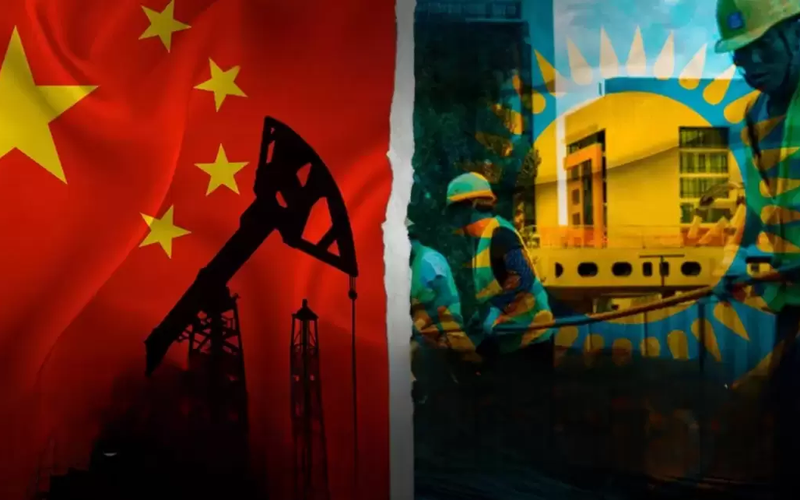
China is one of the key countries that seriously affects the economic, geopolitical and cultural space of Kazakhstan. However, despite the active cooperation, the perception of China in society remains ambiguous - Kazakhstanis do not hide their fears that they will eventually become economically dependent. At the same time, the volume of Chinese investments continues to grow, reports Ulysmedia.kz .
The state is still involved in the economy In May of this year, the Presidential Decree "On measures to liberalize the economy" was issued. The document is aimed at ensuring freedom of entrepreneurship through the development of competition, reducing state participation in the economy and reducing business costs.
In Kazakhstan, there has been a debate for many years about whether the National Welfare Fund brings real prosperity to the country
Is the Red Dragon coming?
In his message to the people of Kazakhstan, President Kassym-Jomart Tokayev stressed that living within your means is the only possible recipe for stability of public finances, reports inbusiness.kz .
What concerns Kazakhstanis the most? Why is it cheaper to bring Chinese goods from Russia than from China? A crisis of strategic planning has emerged in Kazakhstan, and why is the plan to increase the population's income not working? These and many other questions on the country's economic agenda were discussed by Rakhim Oshakbaev with the director of the Applied Research Center "Talap", Askar Kysykov.
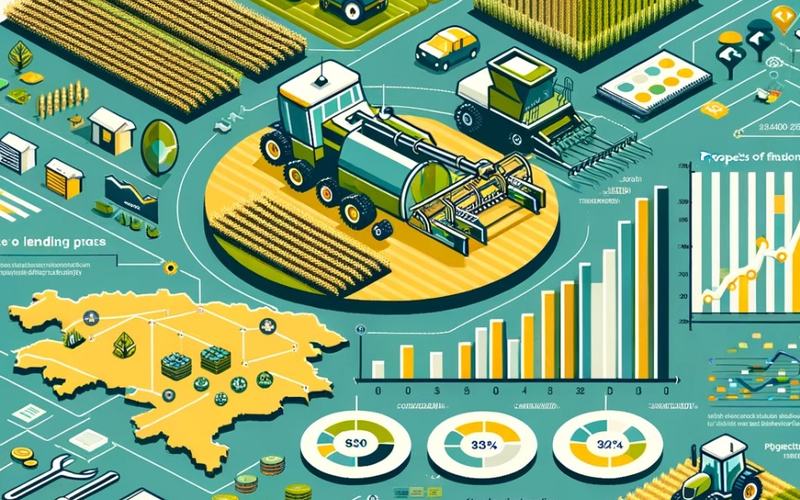
The presentation presents the current situation and challenges in the field of lending to the agro-industrial complex in Kazakhstan and suggests three models for creating an Agrobank in Kazakhstan.
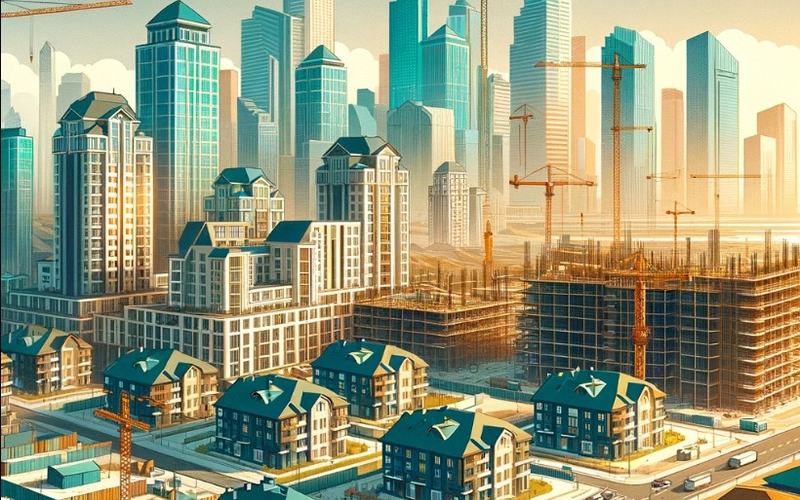
The presentation presents the main aspects of the current housing policy of the Republic of Kazakhstan, including key statistics in recent years, regional distribution, affordable housing programs, mortgage lending, as well as plans to improve housing conditions and social infrastructure.