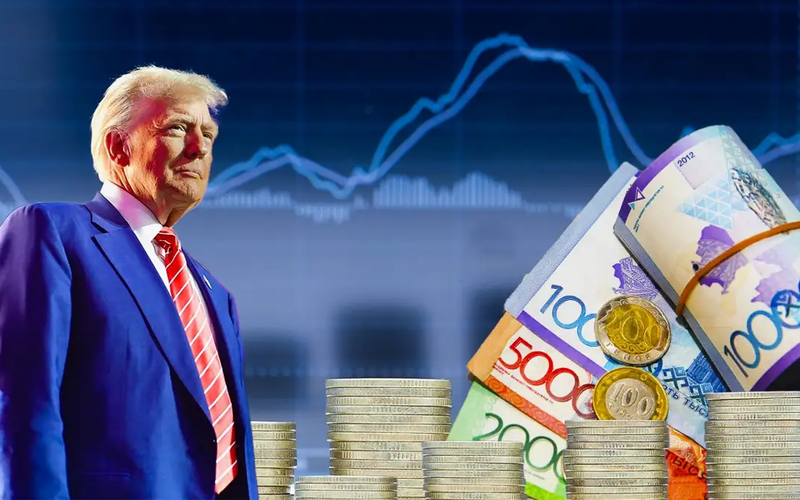
Kazakh economists told a correspondent of the Kazinform agency how the return of Donald Trump to the White House may affect the tenge exchange rate in the future.
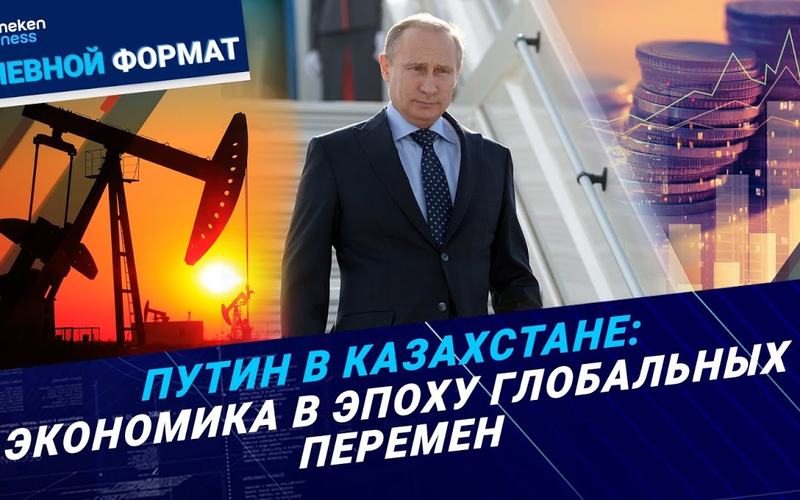
The events of the last two years, with major geopolitical upheavals, have posed a serious challenge for the countries of Central Asia –– Kazakhstan, Kyrgyzstan, Tajikistan, Turkmenistan, and Uzbekistan. These states have skillfully maneuvered the changing political landscape, adhering to a balanced foreign policy. They have adeptly avoided making unequivocal alliances with any sides and focused on economic cooperation.
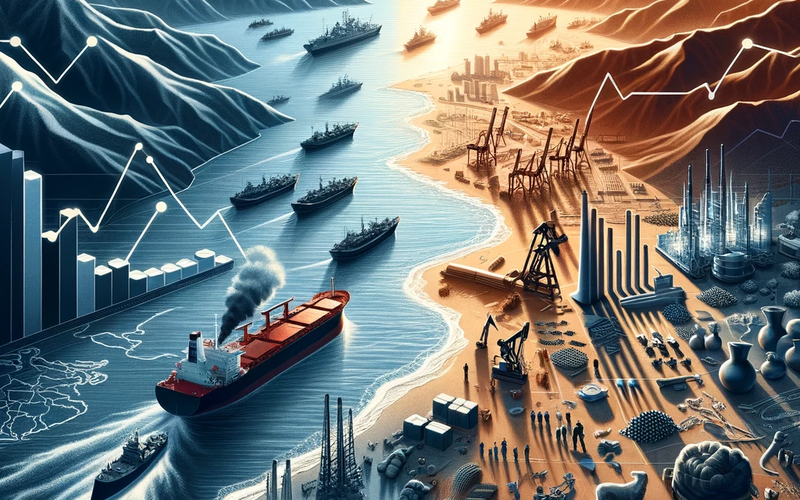
The Middle East has been in a state of hybrid wars for three months now. Analysts worldwide express serious concerns that the escalated conflict between Israel and HAMAS, against the tense situation on the border of Israel and Lebanon, as well as due to the provocations of the Houthis in Yemen and the Red Sea, could spread throughout the region. However, the world economy and geopolitics are very cynical things; while some countries are at war, others may improve their material situation.
For over three decades, China has amazed the world with the rapid pace of its economic growth. In the 70s, the Chinese economy was more agrarian and based on a command-administrative system, but as a result of consecutive market reforms, the economic landscape of the Celestial Empire has dramatically transformed.