Welcome to the "zone of opportunity".
Privatization of Samruk-Kazyna, devaluation or farewell to Western investors – economists have given recipes for Kazakhstan's prosperity
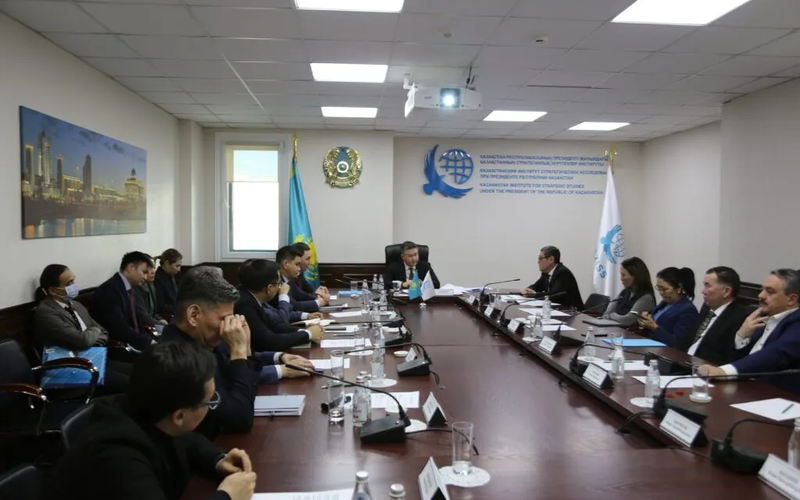
A regular meeting of the economic club was held at the site of the Kazakhstan Institute for Strategic Studies under the President of the Republic of Kazakhstan, where the draft National Development Plan "Kazakhstan-2029", developed by the Agency for Strategic Planning and Reforms of the Republic of Kazakhstan (ASPIR), was discussed. The Agency has done a lot of work on the formation of this strategy, however, experts expressed interest in reviewing and finalizing it.
Taxes for Outsiders and Online Social Support
In the past year of 2023, a number of important laws were adopted in Kazakhstan. Some of them have already come into force. Thus, from today, the country has begun to conduct fingerprint registration of citizens. However, this procedure is voluntary for Kazakhstanis, while foreigners and stateless persons over the age of 16 will have to submit their fingerprints whether they want to or not.
External growth factors are weakening; internal stimuli are necessary.
The fourth material concludes TALAP’s first series of publications on strategic foresight. While the previous documents presented the global context, the development of the approach and the results of the pilot measurement, this infographic captures the architecture of the method itself: how expert materials are transformed into a structured basis for decision-making.
The next stage was a practical test of the developed approach using materials from the first quarter of 2026. TALAP processed more than 300 publications, posts and comments by economic experts in order to test the full cycle of the Expert Signal Radar.
After studying international practice, TALAP began developing its own approach to strategic foresight in Kazakhstan. Its main purpose is to connect expert observations, facts from the economic agenda and possible consequences of change into a single analytical framework.
Global governance practice is gradually moving away from a model in which decisions are made only after a crisis has already become visible. Governments, international organizations and major companies are increasingly focusing on the early identification of change, testing decisions against different scenarios and preparing courses of action before a situation reaches a critical stage.
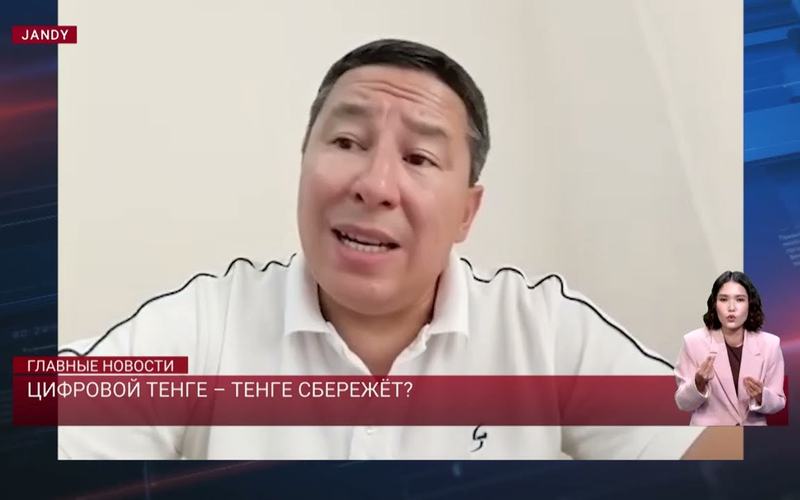
Digital tenge will be used to pay for at least 100 large projects in Kazakhstan. We are talking about projects funded from the budget and the National Fund. This became known during a government meeting. Experts admit that, on the one hand, such a currency will help control government spending. On the other hand, there are risks of data leakage. When are they planning to fully implement the currency? And how much do we need it?