This was discussed today during the round table "Is Kazakhstan in danger of a crisis of state finances?", organized by Talap Center together with Halyk Finance.
"When developing laws and various rules, financial and industrial groups and large businesses have a great influence on decision-making. This is typical for almost all countries, including developed ones. But when this happens behind the scenes, in conditions of complete legal instability, a wide field for corruption is created. In the civilized world, politics is not formed behind closed doors," Kassym-Jomart Tokayev said last spring, speaking to deputies.
Privatization of Samruk-Kazyna, devaluation or farewell to Western investors – economists have given recipes for Kazakhstan's prosperity
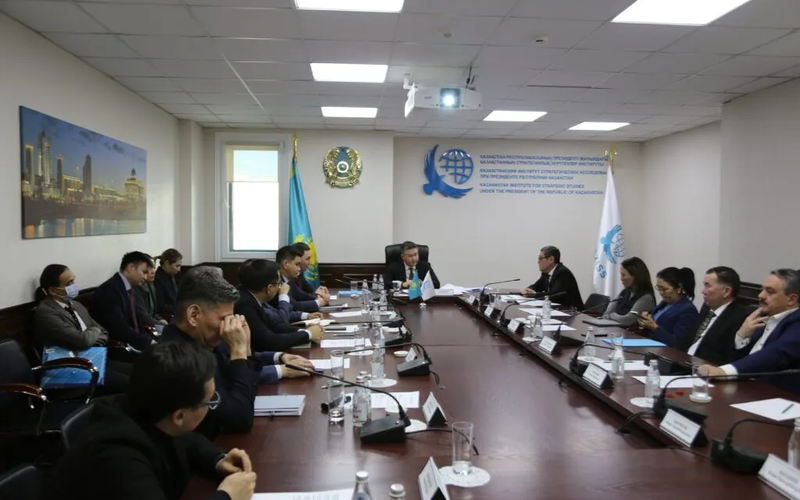
A regular meeting of the economic club was held at the site of the Kazakhstan Institute for Strategic Studies under the President of the Republic of Kazakhstan, where the draft National Development Plan "Kazakhstan-2029", developed by the Agency for Strategic Planning and Reforms of the Republic of Kazakhstan (ASPIR), was discussed. The Agency has done a lot of work on the formation of this strategy, however, experts expressed interest in reviewing and finalizing it.
Taxes for Outsiders and Online Social Support
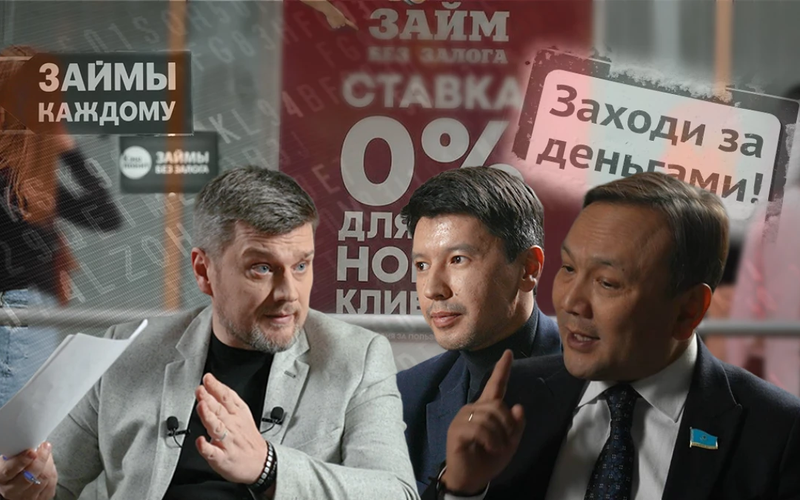
Representatives of the sector of short-term loans to payday are sounding the alarm, saying that stricter regulation will lead to the mass surrender of licenses. According to financiers, banks are not interested in customers who need small amounts. The problems in the MFI market were discussed by experts, according to Zakon.kz .
What concerns Kazakhstanis the most? Why is it cheaper to bring Chinese goods from Russia than from China? A crisis of strategic planning has emerged in Kazakhstan, and why is the plan to increase the population's income not working? These and many other questions on the country's economic agenda were discussed by Rakhim Oshakbaev with the director of the Applied Research Center "Talap", Askar Kysykov.
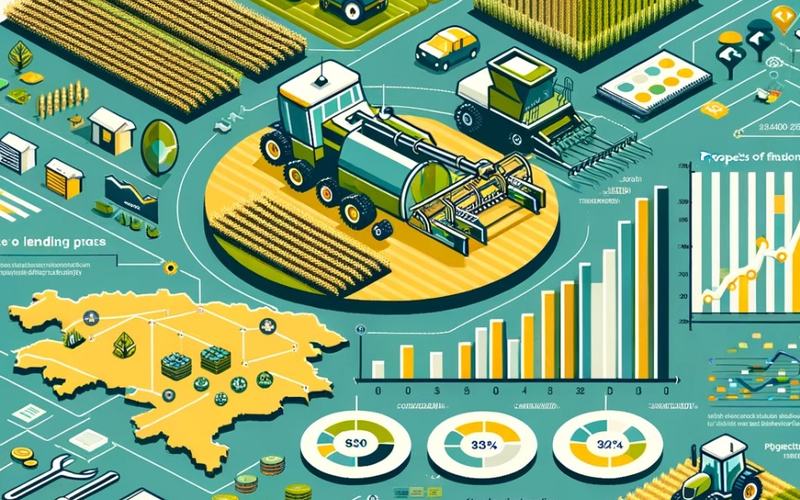
The presentation presents the current situation and challenges in the field of lending to the agro-industrial complex in Kazakhstan and suggests three models for creating an Agrobank in Kazakhstan.
The presentation presents the main aspects of the current housing policy of the Republic of Kazakhstan, including key statistics in recent years, regional distribution, affordable housing programs, mortgage lending, as well as plans to improve housing conditions and social infrastructure.