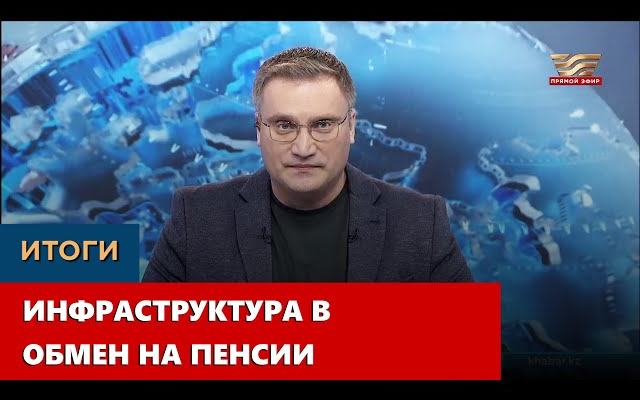
Tax reform will not solve the problem of Kazakhstan's state budget deficit, and comprehensive measures are needed to address this issue. This opinion was expressed by the director of the Talap Center for Applied Research, Askar Kysykov, on the Rossiya 24 TV channel. The Government of Kazakhstan is discussing tax reform, which implies an increase in VAT from 12% to 20%.
A possible increase in VAT in Kazakhstan from 12% to 20% will lead to higher prices, lower real incomes and higher inflation. This forecast was made by Askar Kysykov, director of the Talap Center for Applied Research, on the Rossiya 24 TV channel. The Government of Kazakhstan is discussing tax reform in order to solve the problem of the state budget deficit. The reform involves an increase in VAT from 12% to 20%.
The National Bank recently decided to keep the base rate at 15.25% per annum with a range of +/- 1 percentage point, Kazinform agency correspondent reports.
Kazakh economists told a correspondent of the Kazinform agency how the return of Donald Trump to the White House may affect the tenge exchange rate in the future.
At the end of last year, the dollar exchange rate in the exchangers of Kazakhstan exceeded 530 tenge.
Chinese marketplaces are killing Kazakhstan's SMEs-publications with such headlines have periodically appeared in local media over the past year. In Russian, by the way, too. What is behind the information attacks on Chinese platforms, with what results does e-commerce end the year in the country, and what problems should actually be solved? Read about this in today's TAJ.report analysis.
What concerns Kazakhstanis the most? Why is it cheaper to bring Chinese goods from Russia than from China? A crisis of strategic planning has emerged in Kazakhstan, and why is the plan to increase the population's income not working? These and many other questions on the country's economic agenda were discussed by Rakhim Oshakbaev with the director of the Applied Research Center "Talap", Askar Kysykov.
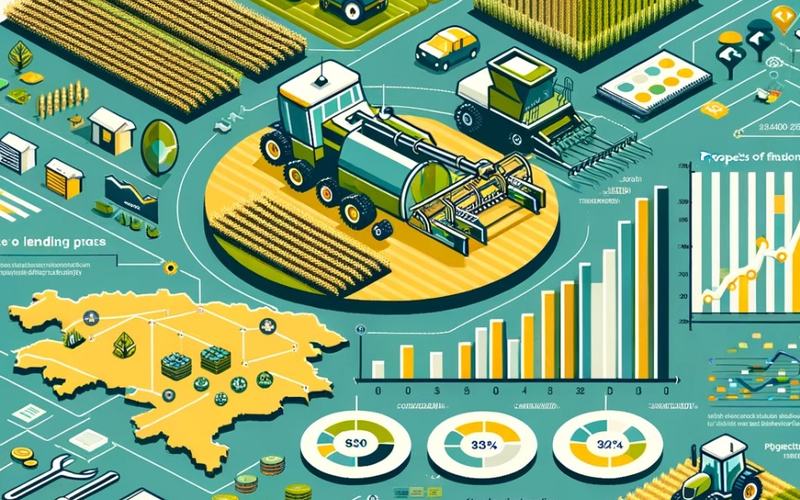
The presentation presents the current situation and challenges in the field of lending to the agro-industrial complex in Kazakhstan and suggests three models for creating an Agrobank in Kazakhstan.
The presentation presents the main aspects of the current housing policy of the Republic of Kazakhstan, including key statistics in recent years, regional distribution, affordable housing programs, mortgage lending, as well as plans to improve housing conditions and social infrastructure.