A major exclusive in the early days of 2024 – an interview given by the head of state, Kassym-Jomart Tokayev, to the Egemen Qazaqstan newspaper. The president devoted part of the detailed conversation to discussing a painful topic for the Republic - domestic violence. According to Tokayev, he "supports the tightening of punishment for domestic violence."
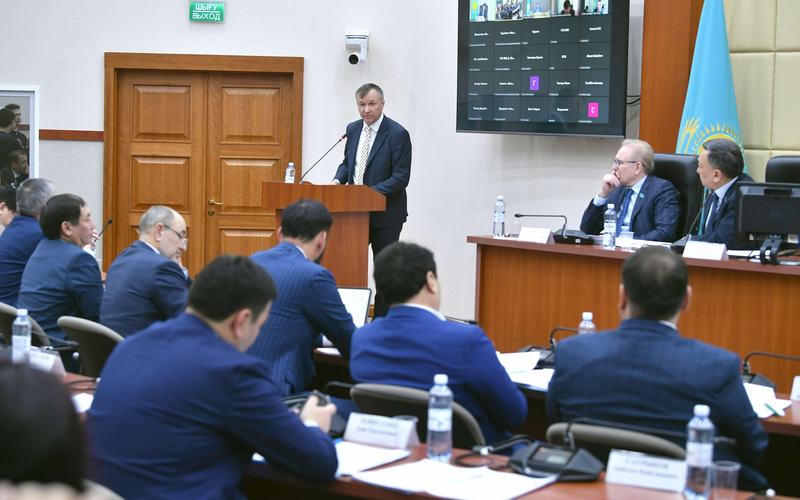
Astana, December 14, House of the Majilis. Today, a roundtable discussion in the Majilis addressed the improvement of the financing system for the agro-industrial complex, including through the creation of a separate second-tier bank (Agrobank).
External growth factors are weakening; internal stimuli are necessary.
The fourth material concludes TALAP’s first series of publications on strategic foresight. While the previous documents presented the global context, the development of the approach and the results of the pilot measurement, this infographic captures the architecture of the method itself: how expert materials are transformed into a structured basis for decision-making.
The next stage was a practical test of the developed approach using materials from the first quarter of 2026. TALAP processed more than 300 publications, posts and comments by economic experts in order to test the full cycle of the Expert Signal Radar.
After studying international practice, TALAP began developing its own approach to strategic foresight in Kazakhstan. Its main purpose is to connect expert observations, facts from the economic agenda and possible consequences of change into a single analytical framework.
Global governance practice is gradually moving away from a model in which decisions are made only after a crisis has already become visible. Governments, international organizations and major companies are increasingly focusing on the early identification of change, testing decisions against different scenarios and preparing courses of action before a situation reaches a critical stage.
The Center for Applied Research "TALAP" presented the findings of a series of strategic discussions and research. Experts warn: without rules and measurements, the implementation of AI in schools could exacerbate inequality and reduce the quality of basic skills.
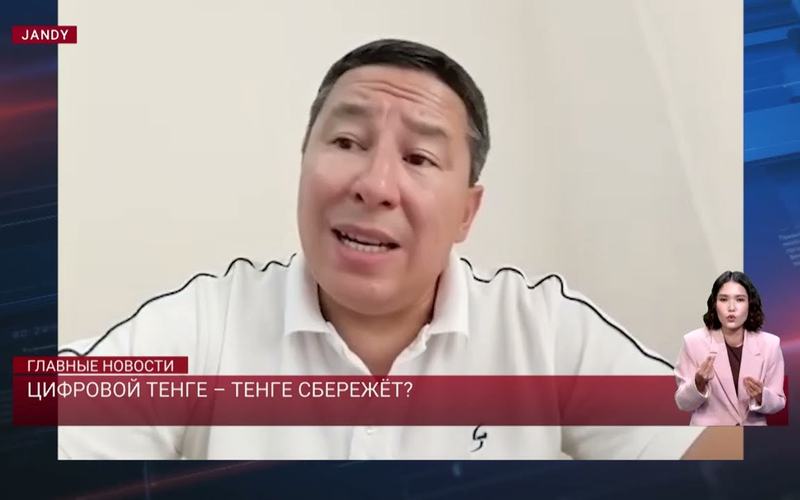
Digital tenge will be used to pay for at least 100 large projects in Kazakhstan. We are talking about projects funded from the budget and the National Fund. This became known during a government meeting. Experts admit that, on the one hand, such a currency will help control government spending. On the other hand, there are risks of data leakage. When are they planning to fully implement the currency? And how much do we need it?