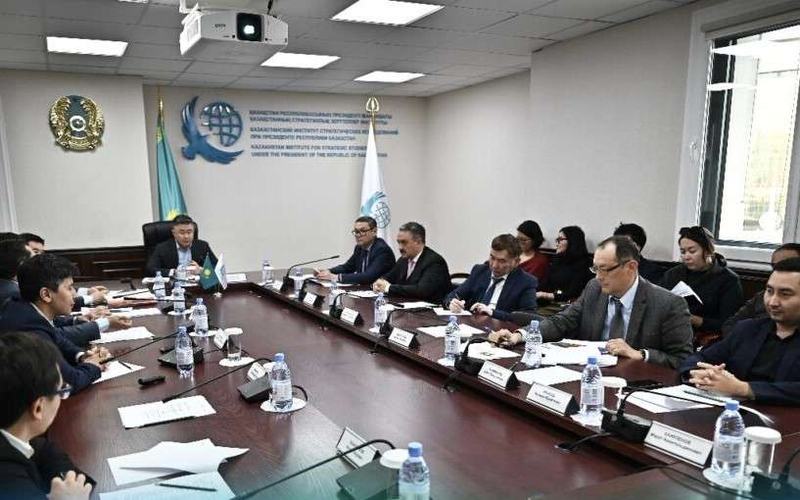
The Economic Development Council was established last year under the auspices of the Kazakhstan Institute for Strategic Studies under the President of the Republic of Kazakhstan (KazISS). Meetings at this venue are chaired by the Governor of the National Bank of Kazakhstan, Timur Suleimenov. The topic of the third meeting was the optimization and improvement of the efficiency of public finances to ensure the dynamic development of our country.
eGov's Witnesses Financial analyst Andrey Chebotarev considers digitalization projects to have transformed our lives. "Digitalization in terms of eGov has allowed companies to remotely open accounts, provide services, spawned a number of startups such as Kaspi and Freedom, developed online brokerage, online banking. These are actually cool products.
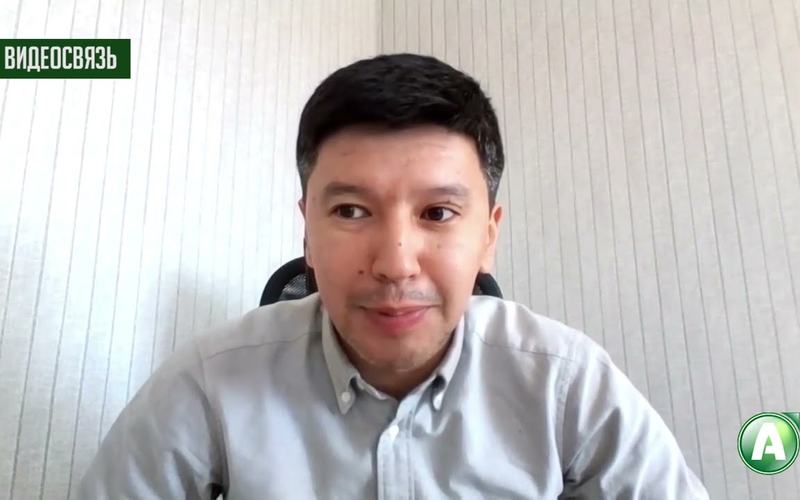
The other day, the president signed a decree "On measures to liberalize the economy." About which norms are the most important and what are the risks of non-compliance with the decree, in an interview with inbusiness.Askar Kysykov, Director of the Talap Center for Applied Research, told kz.
About this in an interview with inbusiness.Oscar Kysykov, Director of the Tales Center for Applied Research, told kz.
It will only get worse, economists and financiers predict. Next year, Kazakhstan will face an acute phase of the crisis, which will peak by 2030. And the 100 billion tenge that the government intends to accumulate in the National Fund by this time will not save us.
The expert offered his vision of solving the issue
For the past few days, pension payments from a single accumulative pension fund in Kazakhstan will be able to determine from the bottom line. As the head of the government noted, in the address of the Senators, studying the social significance of the issue, as well as the international practice on visits and visits, it is proposed to resolve the IPN pension issue from the ENPF.
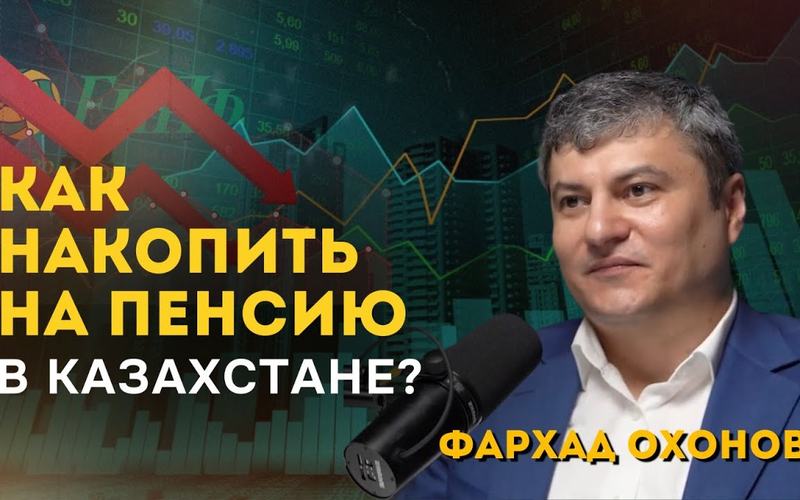
Our guest is Okhonov Farhad Rashidovich, Chairman of the Board of Halyk Finance. The accumulative element of the pension system is the object of constant public criticism. One of the problems is the low investment profitability. During the period of the UAPF's existence (2013-2023), the accumulated investment yield amounted to 139.2% with accumulated official inflation of 153.8%. At the same time, during this time, the tenge exchange rate weakened by 202%.
In today's issue, experts will talk about youth housing, both rent-free and foreclosed, as well as various mortgage programs. What are the conditions of these programs? How accessible are they for young people who are just starting their career and, accordingly, earn much less than their older colleagues who have professional experience and extensive work experience? For more information, see the new issue of the Results program.
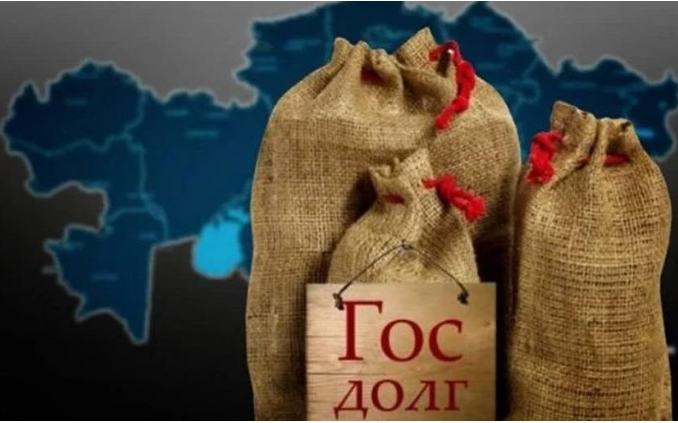
In recent years, Kazakhstan's economy has been shaken not only by global shocks but also by internal structural problems. The expert community has brought to the fore questions about the efficiency of public finance management and the need to adapt to new economic realities. Whether Kazakhstan faces a public finance crisis was discussed by experts at a round table organized by the TALAP Center for Applied Research.
Kazakhstanis are going to be obliged to take consent from their spouse when receiving loans. How will this affect the banking sector and each of the citizens of the republic? For more information, see the Results program