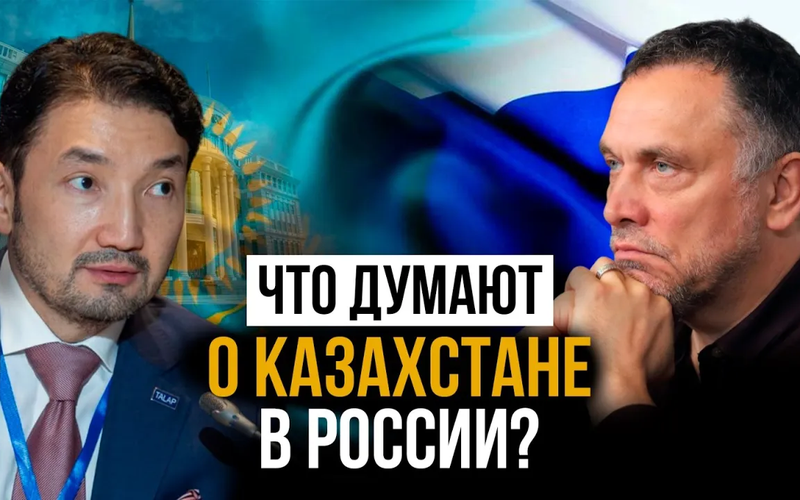
On June 12, the United States imposed blocking sanctions against the Moscow Stock Exchange. Meanwhile, domestic experts are asking a reasonable question how sanctions against the Moscow Exchange will affect the formation of the tenge exchange rate and trade relations between Kazakhstan and Russia. And they are also afraid of a repeat of the situation in 2014, when the ruble fell to three tenge and domestic goods became not competitive. What to expect in the near future?
Today, on May 23, the deputies of the Senate considered and returned to the Mazhilis a bill on minimizing risks in lending, protecting the rights of borrowers, regulating the financial market and improving enforcement proceedings
For the past few days, pension payments from a single accumulative pension fund in Kazakhstan will be able to determine from the bottom line. As the head of the government noted, in the address of the Senators, studying the social significance of the issue, as well as the international practice on visits and visits, it is proposed to resolve the IPN pension issue from the ENPF.
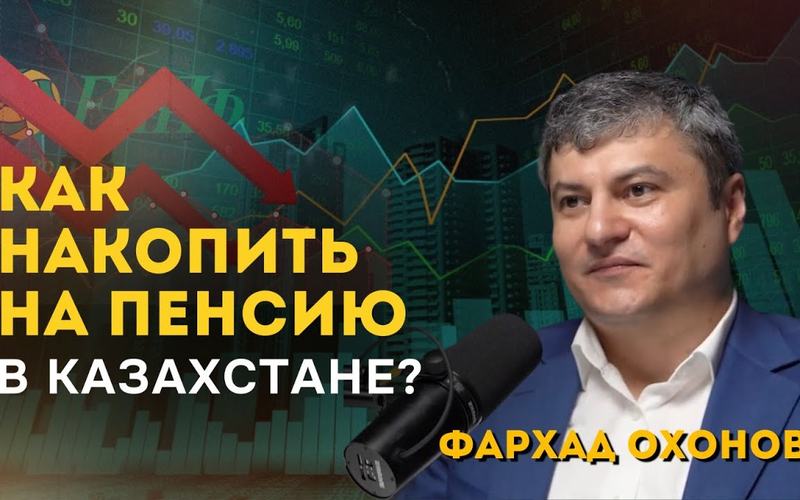
Our guest is Okhonov Farhad Rashidovich, Chairman of the Board of Halyk Finance. The accumulative element of the pension system is the object of constant public criticism. One of the problems is the low investment profitability. During the period of the UAPF's existence (2013-2023), the accumulated investment yield amounted to 139.2% with accumulated official inflation of 153.8%. At the same time, during this time, the tenge exchange rate weakened by 202%.
If you look at the relations between Kazakhstan and Russia from the outside, you can see the largest land border in the world in terms of length, and a huge number of bilateral agreements, unions and organizations that include both countries. However, it is worth looking deeper as it becomes obvious that most joint organizations do not work at the proper level, and agreements remain on paper.